

Who Gets to Tell You How You’re Doing?
Learning to Walk Wisely Without Living for Approval
There are a lot of voices willing to tell us how we’re doing.
The voice of productivity says: You should have done more.
The voice of fear says: You’d better figure this out before something goes wrong.
The voice of control says: If everyone would just listen to you, this would be fine.
The voice of shame says: You’re the problem.
The voice of people-pleasing says: Make sure they’re happy with you.
And sometimes the most confusing voice of all is another Christian’s opinion when it starts sounding suspiciously like the voice of God.
Lately, I’ve been thinking a lot about one simple sentence from Ephesians 5:
“Look carefully then how you walk, not as unwise but as wise…” —Ephesians 5:15
Paul doesn’t tell us to obsess over how everyone else thinks we’re walking.
He doesn’t tell us to carefully monitor every outcome.
He doesn’t tell us to spend our lives trying to make sure nobody misunderstands us.
He tells us: Look carefully at your own walk.
That sounds simple.
It isn’t.
Because sometimes the hardest thing to discern is: Whose voice am I actually listening to?
When Someone Else’s Approval Starts Feeling Like God’s Approval
There was a season in my life when I became increasingly unsure of myself in a Christian relationship.
I found myself second-guessing things that had once felt ordinary.
My personality.
My warmth.
My clothing.
My interactions with other people.
My questions.
My discernment.
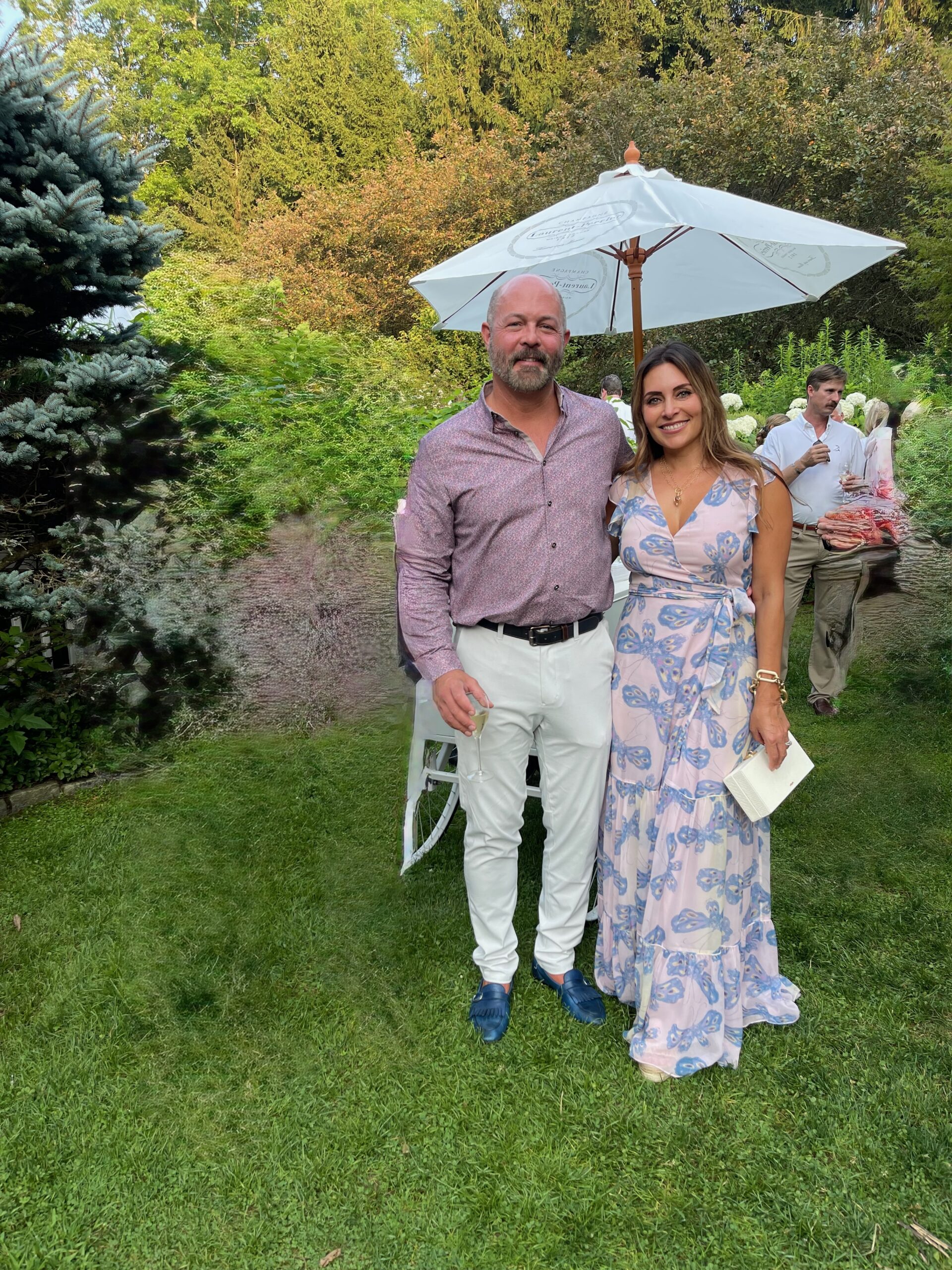
I remember one particular event where I was wearing a pink butterfly dress.
I loved the dress.
But I was told that I needed to find a safety pin and cover my cleavage or I couldn’t be included in photographs.
And I remember searching through the hotel trying to find a safety pin.
Now, I want to be clear.
This isn’t a blog about whether Christians should value modesty.
We should absolutely care about honoring God with our bodies.
The deeper issue was what was happening inside me.
I wasn’t simply considering a loving piece of biblical correction.
I was becoming afraid.
Afraid of disapproval.
Afraid of getting something wrong.
Afraid that maybe someone else had access to a level of spiritual discernment I couldn’t trust myself to have.
And over time, that can become incredibly confusing.
Because there is a big difference between:
“The Holy Spirit is convicting me.”
and
“I am afraid this person is disappointed in me.”
Those two things can feel remarkably similar when you’ve learned to equate someone else’s approval with spiritual safety.
Conviction and Shame Do Not Sound the Same
One of the most important things I’ve had to relearn is the difference between the conviction of the Holy Spirit and shame.
Conviction is specific.
“That response wasn’t loving.”
“You need to apologize.”
“That attitude is prideful.”
“You are trying to control something that isn’t yours.”
Conviction identifies something and invites us to respond.
Shame is different.
Shame says:
You are embarrassing.
You are too much.
You can’t trust yourself.
You always get things wrong.
You need someone else to tell you who to be.
Conviction brings us toward Jesus.
Shame makes us want to hide.
Conviction produces repentance.
Shame often produces hypervigilance.
And that distinction matters because Paul continues in Ephesians 5:
“Therefore do not be foolish, but understand what the will of the Lord is.”
God wants His people growing in wisdom and discernment.
That does not mean we reject correction.
Far from it.
We need wise counsel.
We need accountability.
We need people who love us enough to tell us the truth.
But healthy discipleship should increasingly help us become more dependent on Jesus, not more dependent on another person’s approval.
Sometimes We Give Outcomes the Same Power
People aren’t the only ones we allow to evaluate us.
Sometimes we allow outcomes to do it.
If the business grows: I must have heard God correctly.
If people sign up: This must have been His will.
If my child changes: I must have parented well.
If everyone is happy: I must be doing okay.
And if none of those things happen?
We start questioning ourselves.
Maybe I failed.
Maybe I missed God.
Maybe I should have done more.
Maybe I should have tried harder.
This is one reason Ephesians 5:15 has become so important to me.
Paul says:
Watch your walk.
He doesn’t say:
Watch your outcome.
There are things that belong to me.
And there are things that belong to God.
Obedience belongs to me. Outcomes belong to God.
I can love someone without controlling how they respond.
I can set a healthy boundary without controlling whether someone likes it.
I can faithfully build something without controlling who buys it.
I can parent without controlling my adult child’s choices.
I can tell the truth without controlling whether someone understands me.
That is freedom.
Not passivity.
Freedom.
The Finish Line Keeps Moving
I recently had a day that made this incredibly practical.
I didn’t have counseling clients scheduled.
There were a hundred things I could have worked on.
Emails.
Podcast work.
Marketing.
Retreat planning.
Business projects.
Instead, after exercising, I talked with a dear friend for quite a while and then decided to make chicken milanesa for my daughter and me.
I cooked.
We enjoyed lunch together.
It was lovely.
And still, that familiar thought showed up:
You could have done more.
Well…
yes.
Of course I could have done more.
There will always be more.
But I’m beginning to ask a different question:
Was more actually the assignment?
Because if my definition of faithfulness is:
“I did everything I possibly could,”
I will never arrive.
The finish line will move every single day.
But if my question becomes:
“Was I faithful with what God actually gave me today?”
that changes everything.
Sometimes faithfulness is working hard.
Sometimes it’s resting.
Sometimes it’s finishing.
Sometimes it’s stopping.
Sometimes it’s accomplishing something important.
Sometimes it’s sitting across the table from your daughter eating chicken milanesa.
Look Down: Where Are Your Feet?
This is where the Happy Kid Toolkit and Reality Mat become incredibly practical for me.
When something goes wrong—or doesn’t go the way I hoped—I can ask:
Where did I just step?
Helpless Baby
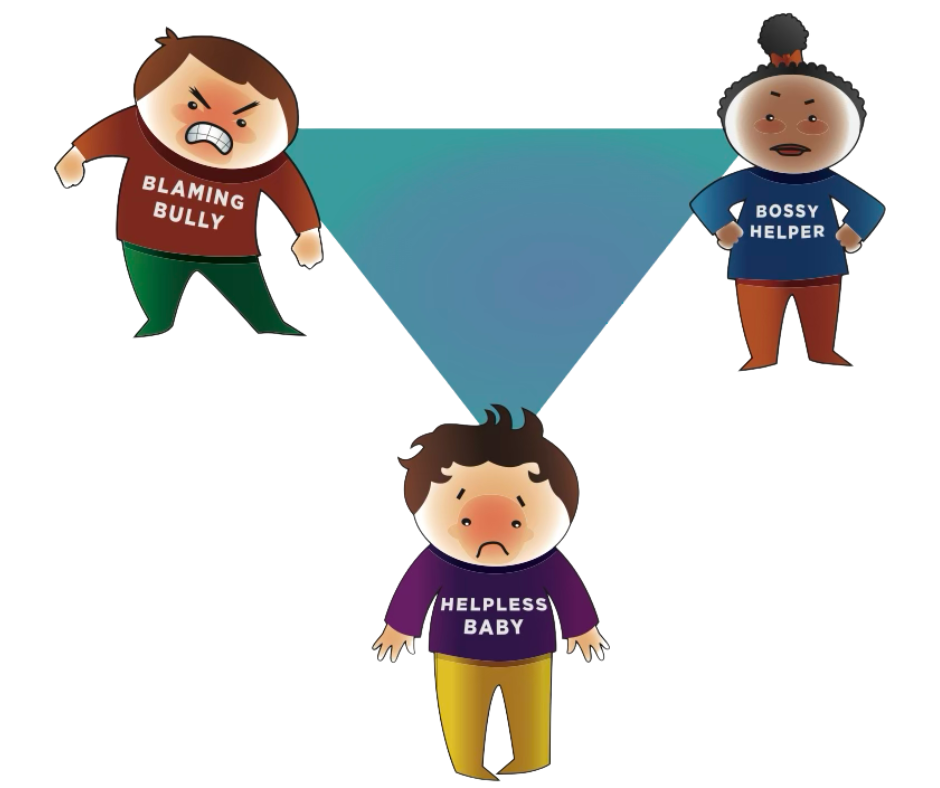
Helpless Baby says:
Nothing works. Why even try?
The outcome becomes a verdict on our worth.
Something failed, therefore:
I’m a failure.
Bossy Helper
Bossy Helper says:
I need to make this turn out differently.
I’ll fix the person.
Fix the problem.
Manage everyone’s emotions.
Prevent every consequence.
Keep everyone happy.
And because helping can look loving, this one can be sneaky.
Sometimes:
Control wears an apron and calls itself service.
Blaming Bully
Blaming Bully says:
If you hadn’t done this, I would be okay.
Maybe somebody genuinely did something wrong.
Maybe we really were hurt.
But the question remains:
How am I walking now?
Am I telling the truth in love?
Or am I using truth to punish?
The Goal Isn’t Shame. It’s Movement.
The whole point of noticing where we’ve stepped is not:
Oh great. I’m doing it wrong again.
That’s the very shame we’re trying to leave behind.
Instead:
Oh. There I am.
And then:
Holy Spirit, where would You have me move?
Happy Kid
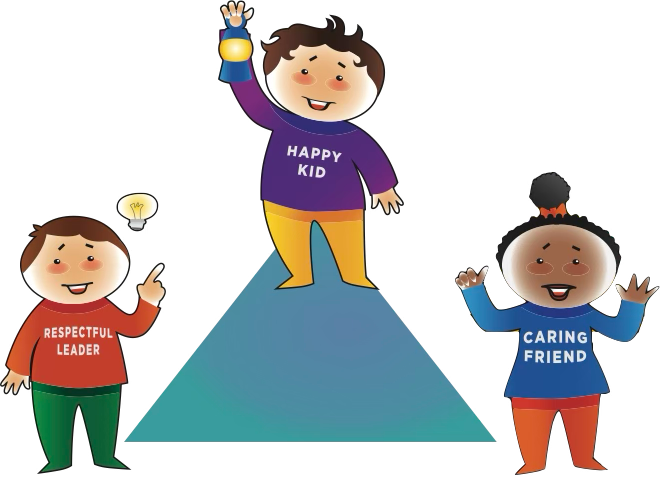
The Happy Kid says:
I am responsible for my own thoughts, choices, behavior, and obedience.
Caring Friend
The Caring Friend says:
I can love you without rescuing you.
Respectful Leader
Respectful Leader says:
I can lead, correct, make decisions, and set boundaries without controlling or humiliating someone.
That’s what I think walking carefully can look like.
Not flawless behavior.
Growing awareness.
Humility.
Repentance.
And returning more quickly when God shows us we’ve wandered.
So Who Gets to Tell You How You’re Doing?
This is the question I’ve been sitting with.
Is it productivity?
Other people’s opinions?
The success of the outcome?
Someone else’s expectations?
Fear?
Shame?
Or is it ultimately Jesus?
There is wisdom in listening to trusted people.
There is humility in receiving correction.
There is responsibility in evaluating our fruit.
But another human being is not the Holy Spirit.
A disappointing outcome is not the Holy Spirit.
Your unfinished to-do list is not the Holy Spirit.
And shame is not the Holy Spirit.
Paul tells us:
“Be filled with the Spirit.”
Not filled with fear.
Not filled with other people’s opinions.
Not filled with the need to control.
Not filled with frantic striving.
Filled with the Spirit.
And what does Paul say begins to flow from that?
Worship.
Gratitude.
Humility.
Healthy relationships.
That sounds very different from living afraid that we’re constantly getting something wrong.
A Simple Practice for This Week
The next time you feel yourself becoming anxious, defensive, controlling, ashamed, or desperate for approval, pause.
Ask yourself:
What voice am I listening to right now?
Then:
What is actually true?
What belongs to me?
What belongs to someone else?
What outcome am I trying to control?
Is this conviction—or shame?
What is the next faithful response?
You don’t have to figure out the whole future.
You don’t have to make everybody happy.
You don’t have to guarantee the outcome.
You don’t have to earn the right to rest.
Just look down.
Where are your feet?
And take the next faithful step.
Listen to Episode 127
This blog accompanies Episode 127 of The Happy Family Coach Podcast, “Watch Your Walk, Not the Outcome: When Faithfulness Matters More Than Doing More.”
In the episode, I dive more deeply into Ephesians 5:15–21, share more of my own recent convictions, and walk through the Happy Kid Toolkit and Reality Mat as a practical way to recognize where fear, control, blame, helplessness, and overfunctioning show up in everyday life.
Listen using the podcast player below.
Ready for Deeper Support?
If this brought up patterns you’re beginning to recognize in yourself, you don’t have to untangle them alone.
Through biblical counseling and faith-based coaching, I work with individuals, couples, and families who are navigating boundaries, codependency, relationship struggles, family conflict, spiritual wounds, resentment, identity, unhealthy patterns, and seasons of significant transition.
You can learn more about counseling and coaching opportunities through my website.
Explore the Happy Kid Toolkit
The Happy Kid Toolkit and Reality Mat provide a practical framework for recognizing unhealthy emotional positions and learning how to respond with greater responsibility, wisdom, and freedom.
If you recognized yourself in Helpless Baby, Bossy Helper, or Blaming Bully today, the Toolkit can help you learn how to intentionally move toward Happy Kid, Caring Friend, and Respectful Leader.
Step Away From the Noise
I also host Christ-centered retreats, workshops, and gatherings throughout the year in beautiful places such as Mallorca, Spain; Joshua Tree, California; and the Smoky Mountains of Tennessee.
These experiences are designed to create room to slow down, reconnect with God, and pay attention to what He is doing in your current season.
If you’re reading this later and one of those retreats has already passed, be sure to visit my website for all current retreats, workshops, events, and upcoming opportunities.
And wherever you are today, remember:
There will always be another voice trying to tell you how you’re doing.
Stay close enough to Jesus to recognize His.
Watch your walk.
Receive conviction without accepting shame.
Do what belongs to you.
And leave the outcome with God.
Have you ever had that moment where you catch yourself sounding just like your mom or dad… and you think, “Oh no, I’ve officially because my parents”?
(Yeah, we’ve all been there. ?)
The truth is, generational patterns are real. They’re like invisible “scripts” passed down through families. Sometimes those scripts are healthy—faith, kindness, resilience. But often, they’re not: addiction, perfectionism, people-pleasing, compliance, control, shame, anger, avoidance, or codependency.
And science actually backs this up. Studies in epigenetics show that trauma and stress can alter gene expression and get passed down to children and grandchildren. Brain science confirms that repeated behaviors and thought patterns literally carve pathways in the brain—so what feels “normal” in one generation often becomes the starting point for the next.
But here’s the good news: what science calls “neuroplasticity,” the Bible calls renewing your mind (Romans 12:2). We are not doomed to repeat the past. With Christ, you can be the one who says, “The cycle stops here.”
With hope and gratitude,
