

Psalm 139 and the Ache to Be Known Without Fear

Why God’s nearness can feel comforting for some—
and threatening for others
I grew up in Southern California, and this moment (photo above) — standing quietly in the Huntington Gardens — felt like a gentle return.
Not to a perfect past, but to a slower pace. A reminder of what it feels like to pause, breathe, and simply notice what’s in front of you.
For many of us, slowing down feels uncomfortable. Being present feels vulnerable. And being seen — without performing — can feel unsafe.
Psalm 139 meets us right there. There is something deeply intimate about Psalm 139.
It doesn’t just tell us that God knows things.
It tells us that God knows us.
“O Lord, you have searched me and known me…
You discern my thoughts from afar.” (Psalm 139:1–2)
For some people, those words feel like a warm blanket.
For others, they feel unsettling—even invasive.
And if that’s you, it doesn’t mean your faith is weak.
It may mean your story has been complicated.
When Being Known Has Not Felt Safe
Psalm 139 forces an honest question many of us have never slowed down enough to ask:
Do I experience being known as comforting… or threatening?
Because for a lot of people, being known has not felt safe.
Some of us grew up in homes where love was conditional.
You were noticed mostly when you messed up.
Correction came faster than curiosity.
Affection was tied to performance.
You weren’t understood.
You were managed.
Others grew up carrying labels:
- the bad kid
- the difficult one
- the emotional one
Over time, you learned it was safer to hide parts of yourself than to risk disappointing the people who were supposed to care for you.
And some of you weren’t overly corrected at all—you were quietly neglected.
You learned not to need much.
Not to ask.
Not to expect care.
You became independent far too young—not because you were strong, but because no one was coming.
Many readers of this blog were also placed into adult roles as children:
- You were the one who kept the peace.
- Read the room.
- Managed emotions.
- Protected siblings.
- Held responsibility that never belonged to you.
So when Scripture describes God as attentive, nurturing, and protective, there can be a disconnect.
Because your experience of authority may have been demanding, distant, unpredictable—or absent altogether.
So when you hear, “God knows you completely,” your body might tense instead of relax.
Not because God is unsafe—but because being known once was.
Why We Adapt the Way We Do
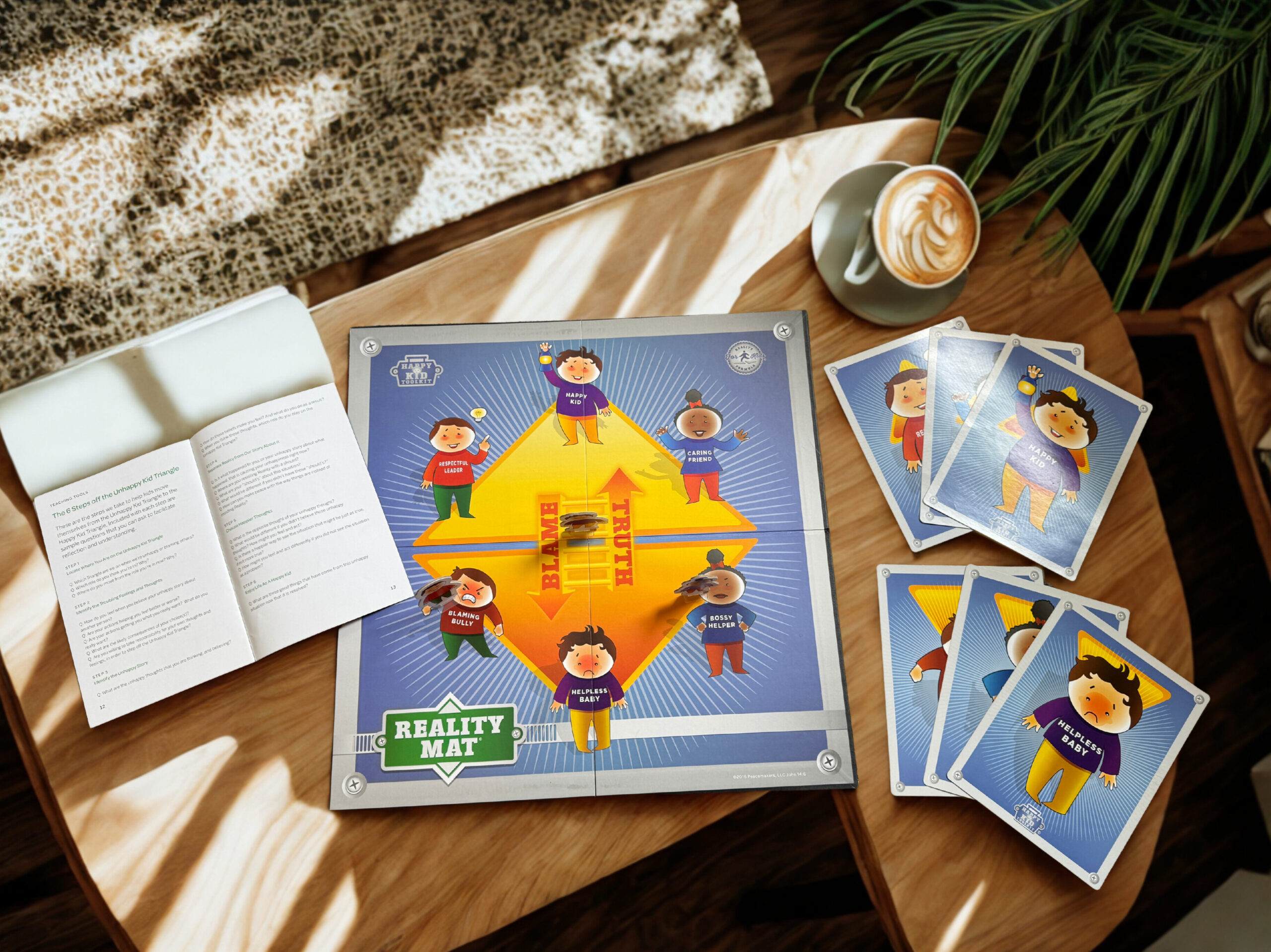
This is where I often introduce what I call the Unhappy Kid Triangle.
Not as a label.
Not as a diagnosis.
And definitely not as a source of shame.
But as a way to name how we adapted in order to survive.
When being known doesn’t feel safe, we instinctively develop defense strategies:
– Some of us learned to disappear, shut down, or collapse inward.
– Some learned to manage, help, control, or anticipate everyone else’s needs.
– Some learned to deflect, harden, blame, or stay on the offensive.
These aren’t character flaws.
They are survival strategies.
They made sense in environments where love was inconsistent, conditional, or unavailable.
But survival is not the same as healing.
And Psalm 139 doesn’t leave us stuck in survival.
What Secure Love Makes Possible
Psalm 139 doesn’t just tell us who God is.
It shows us who we become when we are secure in His knowing and love.
When someone has lived in survival for a long time, the Unhappy Kid Triangle makes sense. Those roles protected you.
But secure love changes what’s possible.
Psalm 139 invites us into what I call the Happy Kid Triangle—not by shaming old patterns, but by healing the fear underneath them.
Here’s what that movement can look like:
From Hiding to Presence
When God’s knowing is safe, we no longer have to disappear to be protected.
It becomes safe to exist.
Safe to have needs.
Safe to feel.
From Over-Responsibility to Connection
When God is truly trustworthy, we don’t have to manage everything and everyone.
We can care without rescuing.
Love without controlling.
Support without losing ourselves.
From Defensiveness to Integrity
When we are fully known by God, we don’t have to protect our image.
We can own our part without collapsing into shame.
Speak truth without cruelty.
Set boundaries without hostility.
This is not personality work.
This is spiritual formation.
It’s what happens when the truth of Psalm 139 moves from our heads into our hearts.
Why Awareness Matters
One of the most important steps in healing is awareness.
Not awareness that leads to self-criticism.
But awareness that leads to growth, humility, and freedom.
That’s why I created the “Discover Your Go-To Position on the Unhappy Kid Triangle” quiz.
It’s designed to help you gently notice:
- which defense role you tend to default to under stress
- what emotions show up most often
- and which untrue messages you’re most tempted to believe when you feel threatened or unseen
Not so you can label yourself.
But so you can catch yourself.
Because when you can catch yourself in a defense mode, you can also begin to:
- take those thoughts captive
- invite the Holy Spirit into the moment
- take responsibility for your part
- ask for forgiveness when needed
- and intentionally move toward a healthier, truth-filled response
An Invitation to Look Inward Without Fear
Psalm 139 doesn’t just invite us to be known —
it invites us to slow down and listen.
“Search me, O God, and know my heart…
Try me and know my anxious thoughts.” (Psalm 139:23)
For many of us, looking inward feels risky.
We’re afraid of what we’ll find.
Afraid we’ll spiral.
Afraid we’ll hear shame instead of truth.
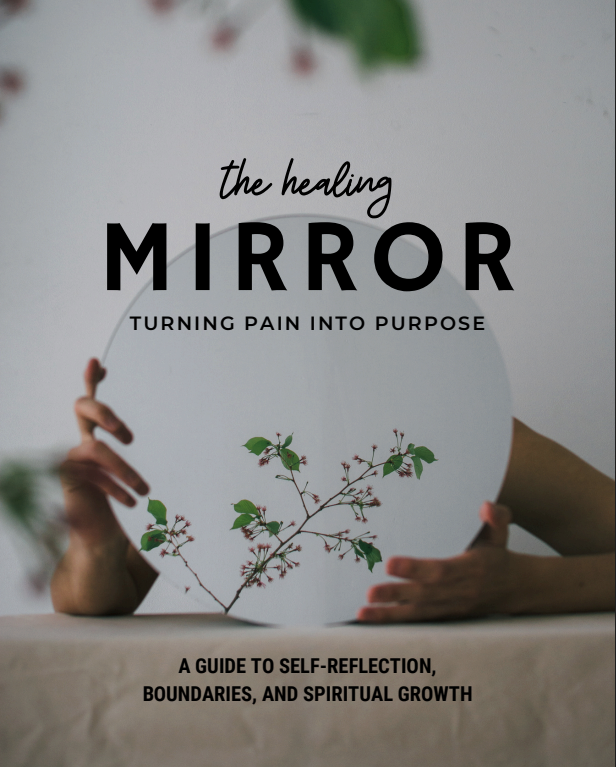
That’s why I created the Healing Mirror.
Not as a tool for self-criticism.
Not as a way to fix yourself.
But as a gentle, Spirit-led practice for learning how to sit with what’s happening inside you — with God.
The Healing Mirror helps you:
- pause and notice what you’re feeling without judgment
- name emotions instead of suppressing or spiritualizing them
- identify untrue beliefs that often surface under stress
- intentionally invite God’s truth into those moments
It’s especially helpful if Psalm 139 stirs something in you but you’re not sure how to respond yet.
Instead of rushing to change or explain yourself, the Healing Mirror gives you a way to be with yourself — the way God already is.
Explore the Healing Mirror resource below.
A Free Tool to Help You Begin
If you want to go deeper in identifying the lies and rewriting your family’s script, grab my free resource: The Healing Mirror eBook.
Click here to download the Healing Mirror
It will help you reflect on the stories you’ve believed, replace them with God’s truth, and begin the journey of walking in freedom.
A Tool for Ongoing Growth
For many families, parents, teens, and individuals, the quiz is just the beginning.
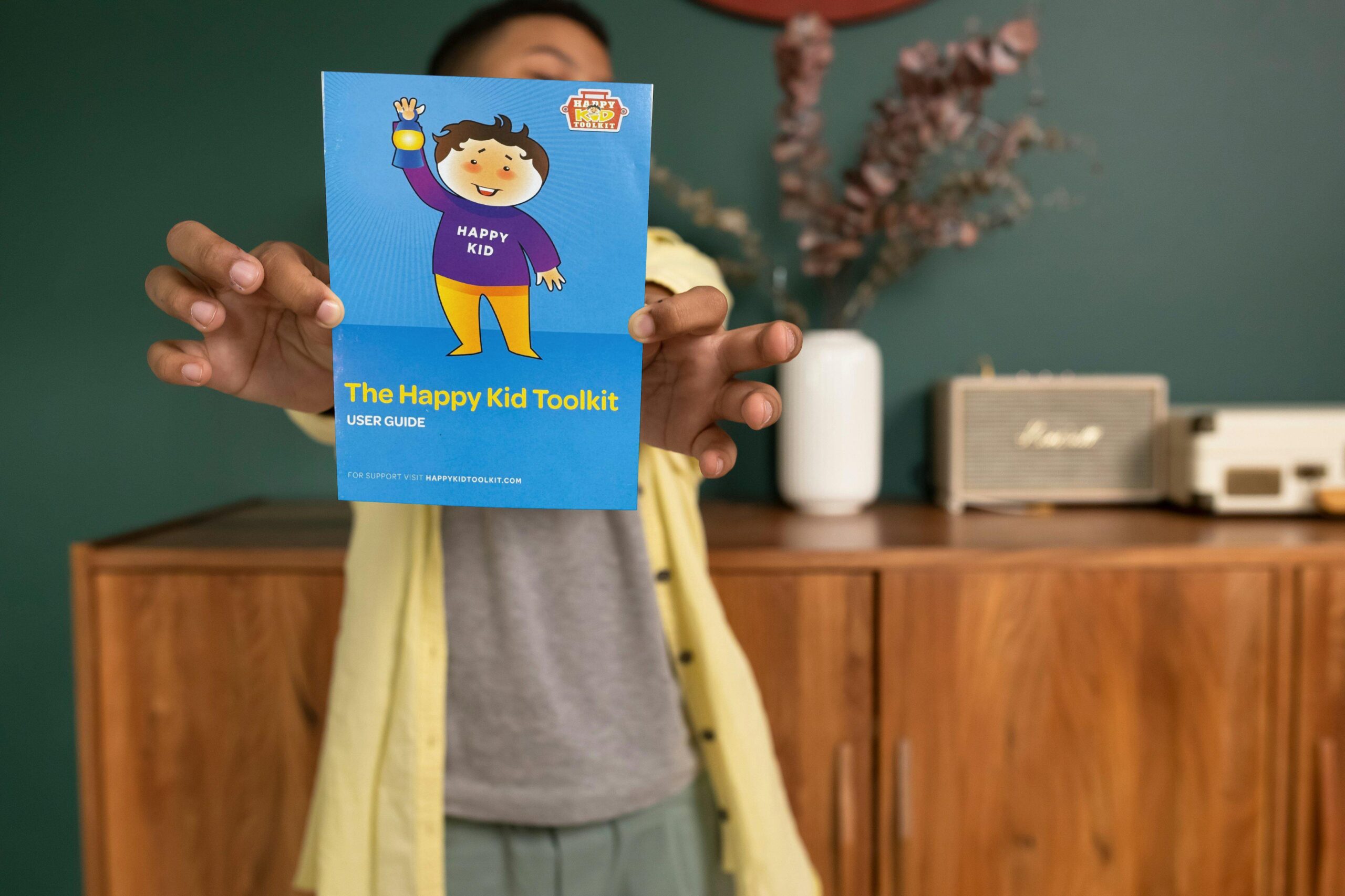
The Happy Kid Toolkit was created to help you practice this movement in real life—especially in moments of conflict, stress, and emotional overwhelm.
It’s a practical, Scripture-anchored resource designed to help you:
- recognize unhealthy patterns in yourself and your family
- learn how to pause instead of react
- take responsibility without shame
- communicate with honesty and humility
- and walk out transformation with the help of the Holy Spirit
This isn’t about behavior modification.
It’s about heart change.
And it’s about breaking cycles—so what was normalized in one generation doesn’t have to be repeated in the next.
Learn more about the Happy Kid Toolkit below.
Empower Your Family with the Happy Kid Toolkit
This toolkit is designed to empower families, educators, and mental health professionals to break free from unhealthy patterns, resolve conflicts, and build deeper emotional connections. Whether you’re a parent working to strengthen your family dynamic or a professional seeking to help others, this toolkit provides practical, faith-based tools that make a lasting impact.
When you invest in the Happy Kid Toolkit, you’re not just receiving a set of tools—you’re embarking on a journey toward lasting family transformation.
A Gentle Closing Thought
Psalm 139 doesn’t call us to try harder.
It invites us to rest deeper.
To stop performing.
To stop hiding.
To stop managing how we’re seen.
You are already known.
Already seen.
Already loved.
And when that truth becomes safe inside of you,
healing becomes possible—not just for you, but for the generations coming after you.
If you’re ready to listen, you can click the player below to hear Episode 96 right here.
With hope and gratitude
